


Why Unstructured Time Feels Unsafe: Understanding the Link Between Freedom and Anxiety
You finally have free time and instead of relief, your nervous system panics. This is not laziness or lack of motivation. It is your brain searching for safety. Understanding why unstructured time feels threatening is the first step toward building routines that actually support your mental health.

Why Conversation Feels Exhausting Lately: Social Fatigue Explained
If talking feels harder than usual, even with people you love, you are not imagining it. Social fatigue is real, common, and especially intense during seasons of prolonged stress and overstimulation. The good news is that it is treatable, manageable, and often a signal that your nervous system needs support rather than self criticism.

The Working Professional Survival Guide: Managing End of Year Burnout
The end of the year brings deadlines, expectations, family demands, and a calendar that fills faster than your inbox. If you are running on caffeine and sheer willpower, you are not alone. Here is how to navigate end of year burnout with clarity, compassion, and support.

Conflict Avoidance and Trauma: What the Fawn Response Looks Like
You are not weak, broken, or too sensitive. If you avoid conflict at all costs and feel responsible for keeping everyone else comfortable, your nervous system may be protecting you the only way it knows how. This is called the fawn response, and understanding it can be the first step toward healing.

Why Your Brain Feels “Loud” All the Time: Understanding Mental Noise and Internal Overstimulation
If your thoughts never seem to quiet down, even when life looks calm on the outside, you are not imagining it. Mental noise is real, common, and more treatable than most people realize.

You Are Not Failing: Rewriting the Narrative Around Postpartum Depression and Motherhood
Postpartum depression does not mean you are weak, broken, or failing. It means you are human. When mothers receive compassionate support, education, and personalized mental health care, healing becomes possible.

A Modern Telehealth Option for Your Patients: When to Refer to Virtual Therapy and Coaching
Virtual therapy and coaching are no longer backup options. They are front line, accessible, clinically appropriate solutions that help your patients receive faster care, stronger support, and specialized guidance from home. Here is how to know when a telehealth referral is the right solution.

Why You Shut Down Before a New Week: Understanding Sunday Emotional Drops and How to Break the Cycle
Sunday is supposed to be a reset. Yet for many people, it feels more like an emotional crash. Here is why your body and brain shut down before Monday and what you can do to feel grounded again.

Weekend Mental Health Check In: Questions Therapists Wish You Would Ask Yourself
A quiet weekend moment can reveal more about your mind than an entire weekday of rushing around. Here are the therapist-approved questions that help you understand your emotional patterns and guide you toward healthier choices.

The Cycle of Burnout: Why You Keep Recovering Only to Crash Again
Burnout is not just exhaustion. It is a repeating loop that high achievers fall into when they push through stress without sustainable support. Here is why you keep recovering only to crash again and how therapy or coaching can help you break the cycle for good.

When Small Tasks Feel Impossible: Understanding Executive Dysfunction
When everyday tasks feel heavier than they should, it is not laziness. It is often executive dysfunction. Here is what that actually means and how support like therapy and ADHD and executive function coaching can help you get unstuck.

10 Subtle Signs Your Anxiety Is Getting Worse (And You Did Not Even Realize It)
Anxiety does not always show up loudly. Sometimes it hides in small habits and quiet mood shifts that are easy to overlook. If you have been feeling “off,” these subtle signs may reveal that your anxiety is growing beneath the surface. Here is what to pay attention to and how virtual therapy or coaching at Palm Atlantic Behavioral Health can help you get back on track.

Do You Need Therapy or Coaching? Simple Ways to Tell
Trying to decide between therapy and coaching can feel confusing. This guide breaks down both options in a simple way and helps you understand which path can support your goals, healing, and daily life. Learn how Palm Atlantic Behavioral Health provides both therapy and coaching through virtual services designed for flexibility, clarity, and genuine care.
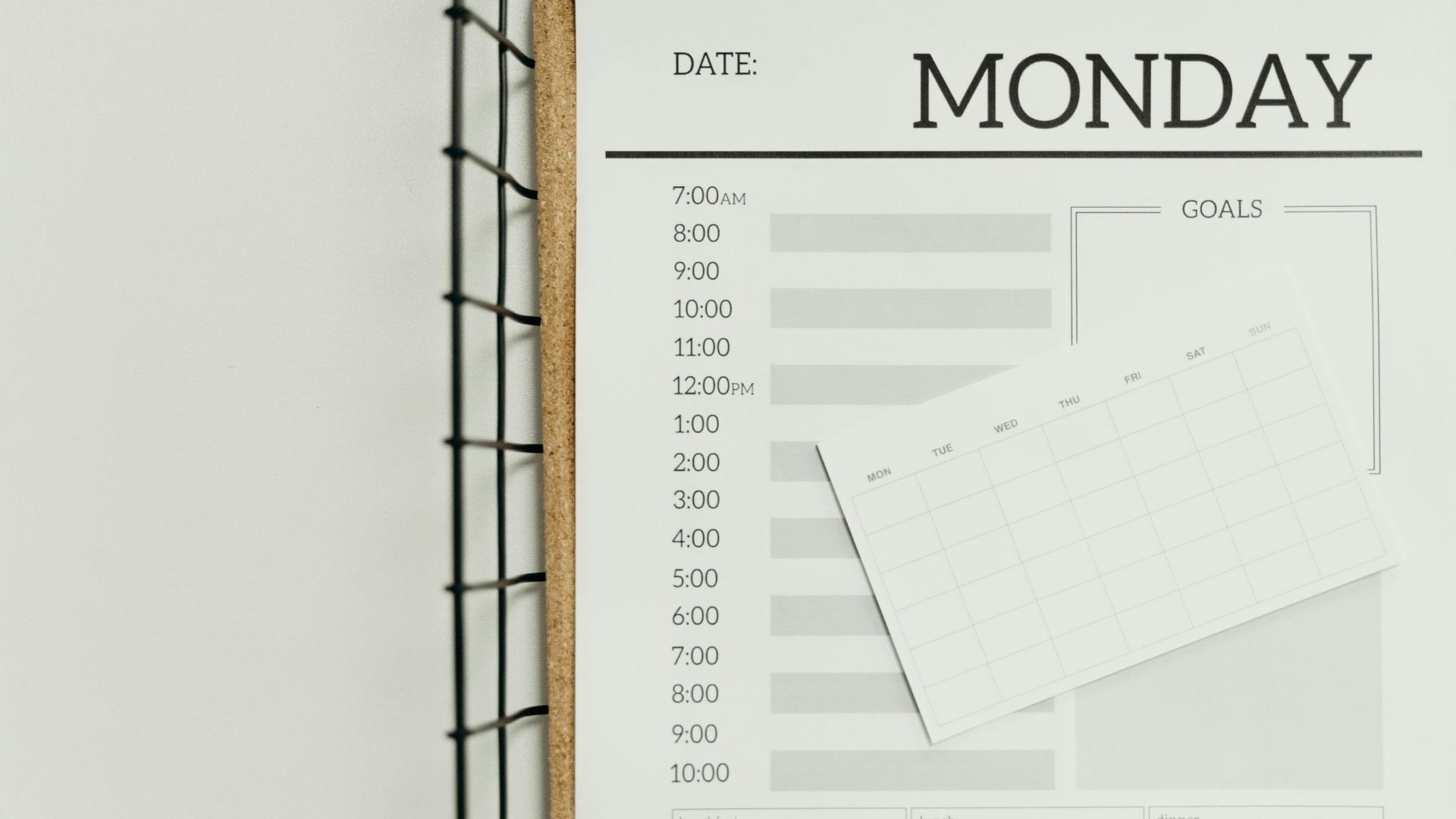
What Your Stress Is Trying to Tell You on Monday Morning
Monday morning stress is not just a rough start. It is your mind and body sending a message about burnout, anxiety, or overwhelm. Learn what your stress is trying to tell you and how therapy or coaching can help you take back your week.

Why Sunday Nights Feel Emotionally Heavy and What You Can Do About It
Sunday nights often bring an emotional heaviness that many people silently struggle with. Learn why this happens and how therapy or coaching can help you reclaim calm and clarity at the end of every weekend.

Weekend Slowdown: Why Your Brain Feels Foggy After a Long Week and How to Reset With Intention
If your brain feels foggy every Saturday morning, you are not imagining it. Weekend slowdown is a real response to stress, burnout, and cognitive fatigue. Here is why it happens and how therapy or coaching support at Palm Atlantic Behavioral Health can help you reset with clarity.

Why Your Productivity Drops in December and How Coaching Can Help
December has a way of disrupting routines, draining energy, and making simple tasks feel heavier than usual. If you notice your productivity slipping during the holiday season, you are not alone. Here is why it happens and how executive function coaching can help you finish the year with more clarity and confidence.

December Mental Health Survival Guide: Tools You Can Use Today
Feeling overwhelmed this December is more common than you think. This guide offers practical tools grounded in therapy to help you stay centered, supported, and emotionally steady through the holiday season.

Creating Disability-Inclusive Mental Health Care: What Accessible Therapy Should Actually Look Like
Disability-inclusive mental health care is more than a checklist. It is a commitment to providing therapy that honors dignity, reduces barriers, and centers the lived experiences of people with physical disabilities. Here is what accessible care should truly look like and how you can find support that meets your needs.

How Virtual Therapy Works: A Simple Guide for First-Timers
Virtual therapy is much simpler than people expect. With the right support, your first session can feel comfortable, private, and surprisingly natural. Here is a clear guide that walks you through how online therapy works, what to expect, and how to get started confidently.