


When Coping Strategies Stop Working: What It Means and How Therapy Can Help
When familiar coping strategies no longer provide relief, it may be a sign that your stress or emotional needs have changed. Therapy can help you understand what is happening and develop support that fits your current situation.

What Healthy Coping Skills Actually Look Like
Healthy coping skills help you manage stress and difficult emotions without creating additional harm. They may include calming your body, organizing your thoughts, setting boundaries, or seeking support.

How Therapy Helps Build a Healthier Relationship With Yourself
Therapy can help you understand your emotions, reduce harsh self-criticism, and develop more realistic expectations. With support, you can build a healthier and more compassionate relationship with yourself.

How Self-Criticism Impacts Mental Health
Frequent self-criticism can increase anxiety, weaken confidence, and make self-worth feel dependent on performance. Recognizing harsh inner dialogue is an important step toward healthier emotional well-being.

Why We Can Be Our Own Harshest Critic
Many people struggle with an inner voice that feels far more critical than supportive. Understanding where self-critical thoughts come from can help you replace shame with healthier patterns that support emotional resilience.

When Relationship Challenges May Benefit From Therapy
Relationship therapy can help people understand recurring conflicts, improve communication, and develop healthier ways of relating. Support can be valuable before relationship concerns become overwhelming.

How Stress Can Change the Way We Communicate
Stress can affect patience, emotional regulation, and how people interpret conversations. Recognizing these changes can help reduce misunderstandings and improve communication within relationships.

What Emotional Safety Really Means in Healthy Relationships
Emotional safety means feeling respected and able to communicate honestly without fearing humiliation, intimidation, or rejection. Healthy relationships may include conflict, but both people should continue to feel heard and valued.

How Therapy Helps Build Emotional Resilience
Therapy helps build emotional resilience by improving self-awareness, emotional regulation, coping skills, and healthier responses to stress. Over time, therapy can help difficult emotions feel more understandable and manageable.

When Your Emotions Feel Bigger Than the Situation
Emotional reactions can feel bigger than the situation when stress, triggers, or nervous system activation influence how the brain and body respond. Therapy can help you understand these patterns and build healthier ways to regulate emotions.

What Emotional Regulation Really Means
Emotional regulation is the ability to notice, understand, and manage emotions in a healthier way. It is a skill that can be strengthened over time through awareness, coping strategies, and therapy.

Why Slowing Down Can Feel So Difficult Even When You Need Rest
Slowing down can feel difficult when chronic stress keeps the mind and body in alert mode. Recovery is an active part of mental health, not something you have to earn.

How Mental Overload Affects Your Emotional Health
Mental overload happens when your brain is carrying more stress, decisions, and responsibilities than it can comfortably manage. Therapy can help you understand what is contributing to the overload and build healthier coping strategies.

Why Getting Back Into a Routine Can Feel So Difficult After a Break
Getting back into a routine after a break can feel difficult because the brain needs time to rebuild structure, consistency, and executive functioning. Struggling to restart does not mean you are lazy or unmotivated.

Why Emotional Boundaries Matter for Mental Health
Emotional boundaries help protect your mental health by clarifying your needs, limits, and responsibilities in relationships. Therapy can help you build healthier boundaries with more confidence and less guilt.

What Is Health Anxiety And Why Does It Feel So Real?
Health anxiety is intense worry about having or developing a serious illness. It often feels real because anxiety can heighten body sensations and make normal physical changes feel threatening.

What Is Persistent Depressive Disorder (PDD) And How Is It Different from Depression?
Persistent Depressive Disorder is a long-term form of depression that can make someone feel like they have “always been this way.” Unlike major depression, PDD may be less intense but lasts longer and can quietly affect daily functioning, self-esteem, and relationships.

What Is Bipolar Disorder And Why Is It Often Misunderstood?
Bipolar disorder is often misunderstood as simply having mood swings, but it involves distinct mood episodes that affect energy, thinking, and daily functioning. Understanding the condition can help reduce stigma and encourage proper support.
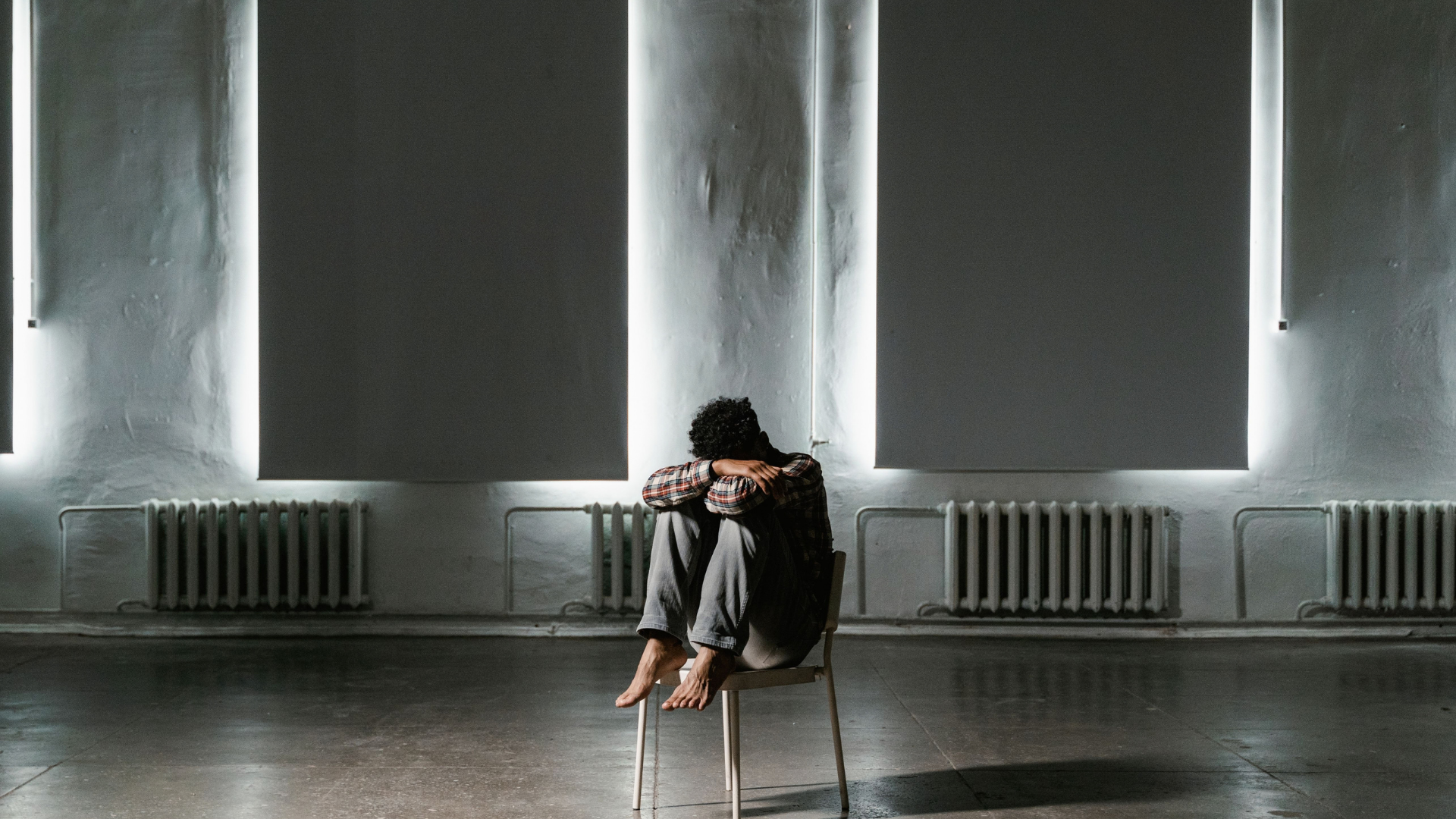
Understanding Post-Traumatic Stress Disorder (PTSD) Beyond Flashbacks
PTSD is about more than flashbacks. Many people experience hypervigilance, emotional numbness, avoidance, sleep problems, and difficulty feeling safe long after a traumatic event has ended.

What Is Social Anxiety Disorder and How Is It Different From Being Introverted?
Social anxiety is more than being an introvert. Learn how Social Anxiety Disorder affects daily life, relationships, and work, and discover how therapy can help individuals overcome fear of judgment and avoidance.