


The Cost of “Just Pushing Through” in Families, Workplaces, and Communities
We praise resilience, but rarely talk about its hidden cost. When stress is repeatedly ignored or minimized, it does not disappear. It waits. Over time, it shows up as burnout, irritability, emotional distance, and physical symptoms that feel confusing or overwhelming. You are not alone in this experience.

Emotional Literacy Is a Life Skill We Were Never Taught
Many adults were never shown how to name emotions, sit with them, or respond in healthy ways. Therapy can teach these skills without labeling you as broken.

Why Early Support for Executive Function Changes Long-Term Outcomes
Early support for executive function helps children, teens, and young adults build skills that prevent academic stress, emotional overwhelm, and long-term challenges.

Mental Health Is Not Just Individual. It Is Environmental.
Mental health does not develop in isolation. It is shaped quietly and consistently by schools, workplaces, family systems, and digital culture long before a diagnosis ever enters the picture. Understanding the environment helps us understand the person.

What Trauma-Informed Care Actually Means and Why It Matters in Therapy
Trauma-informed care is more than a clinical buzzword. It is a thoughtful, human-centered approach to therapy that prioritizes safety, pacing, and emotional respect. Understanding what it truly means can help you feel more confident and supported as you begin therapy.

How Stress Impacts Memory, Focus, and Decision-Making
Stress does not just affect how you feel. It changes how your brain works. Learn why stress disrupts memory, drains focus, and makes decisions harder, and how mental health care can restore clarity.

How Early Experiences Shape Emotional Responses in Adulthood
The way you react today often began long before adulthood. Early emotional experiences quietly shape how your nervous system responds to stress, relationships, and change. Therapy offers a way to gently update those patterns so life feels less reactive and more grounded.

The Difference Between Coping Skills and Regulation Skills
Many people believe coping skills and regulation skills are the same. They are not. Understanding the difference can change how you manage stress, emotions, and long-term mental health.

Why Avoidance Increases Anxiety Over Time
Avoidance often feels like relief in the moment, but over time it quietly teaches the brain that fear is dangerous and unmanageable. Anxiety grows not because you are weak, but because your nervous system is learning the wrong lesson.
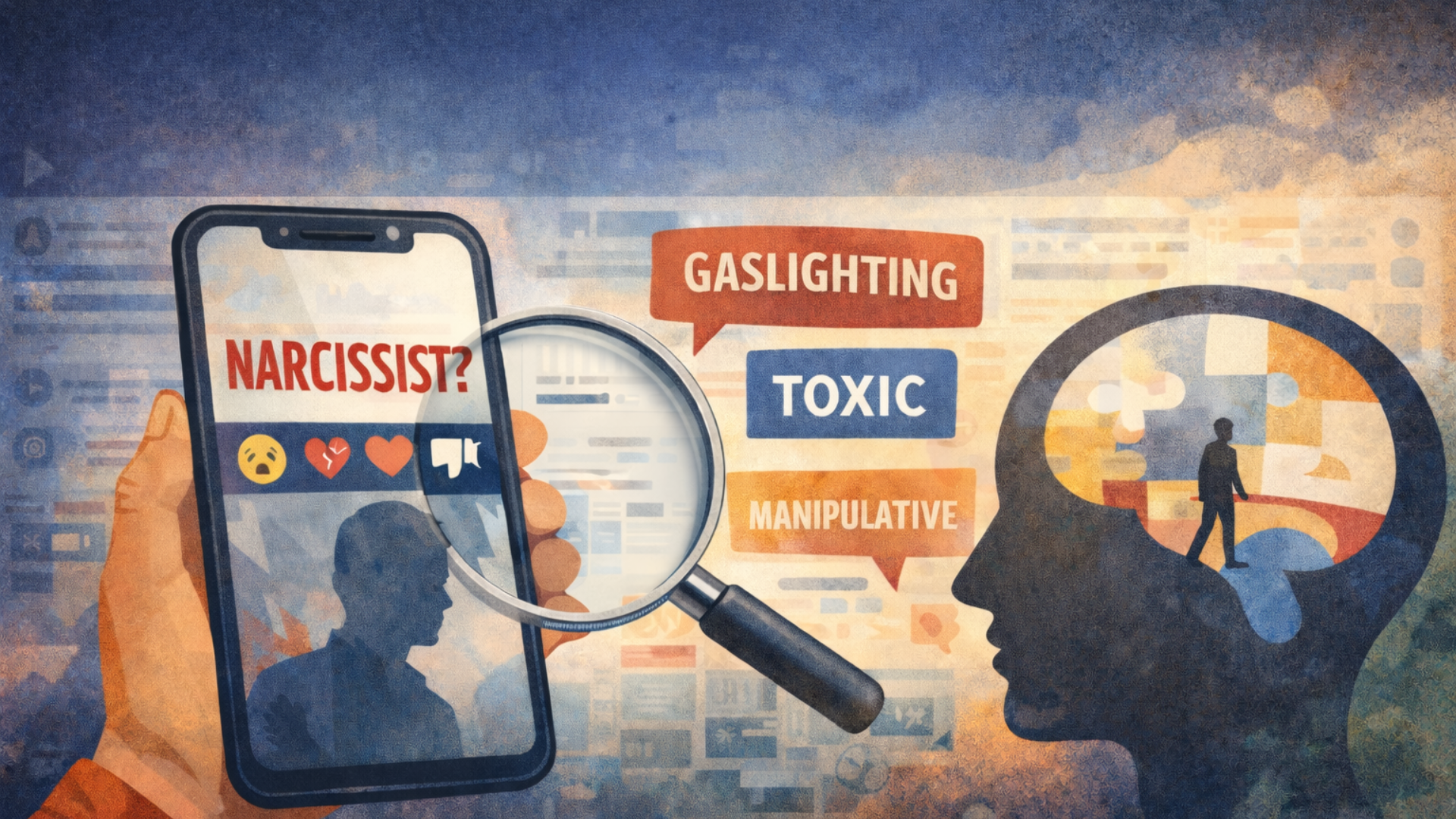
Why “Narcissism” Is One of the Most Misused Mental Health Terms Online
The word narcissism shows up everywhere online, often used to explain hurtful behavior or difficult relationships. What gets lost is accuracy, compassion, and real understanding. This article explains what narcissism truly means, why the term is so often misused, and how therapy can help clarify patterns without labeling or stigma.

When Is Virtual Outpatient Mental Health Care the Right Level of Support?
Virtual outpatient mental health care can be the right level of support when stability is present, access matters, and continuity keeps treatment moving forward.

Why Many College Students Feel Anxious Even Outside the Classroom
Many college students feel anxious even when schoolwork is not demanding. Chronic stress, future pressure, and constant comparison keep the nervous system on high alert.

How Primary Care and Behavioral Health Work Together
When primary care and behavioral health collaborate, patients receive clearer guidance, fewer mixed messages, and support that reflects the full picture of their health.

Why Comparison Feels So Heavy for Young Adults Today
Comparison feels heavier for young adults today because success is constantly visible, curated, and disconnected from real life context.

Supporting a Teen Without Turning Every Conversation Into a Battle
When every conversation with your teen turns into a struggle, it can feel exhausting and confusing. Understanding what is happening developmentally can help restore connection and reduce daily conflict.

What Outpatient Mental Health Care Looks Like for Referral Partners
Outpatient mental health care supports individuals who need consistent emotional care while continuing daily life, offering flexible, coordinated support that fits real-world demands.

Subtle Signs Your Child May Be Emotionally Overloaded
Emotional overload in children rarely shows up as one big moment. It often appears quietly through mood shifts, sleep changes, and withdrawal that are easy to miss without gentle attention.

When Stress Starts to Feel Like the Norm
At some point, stress stops feeling like a temporary reaction and starts feeling like the background noise of everyday life. Many people reach that moment quietly, without a clear breaking point, just a steady sense of being mentally tired.

Supporting Students with ADHD Beyond the Classroom: The Role of Executive Function Coaching
School accommodations help during the day, but executive function coaching helps students carry those skills into real life, where routines, emotions, and responsibilities intersect.

Coaching for Structure, Therapy for Insight: How They Work Together
Therapy offers insight into emotional patterns. Coaching provides structure to move forward. Knowing the difference helps you choose support that actually works.