


Why Fear of Failure Leads to Avoidance, Not Improvement
Fear of failure often leads people to avoid tasks, not improve at them. This article explains why the brain responds this way, how avoidance becomes a cycle, and how therapy can help rebuild confidence and follow through.

Why Accountability Improves Mental Health Outcomes
Accountability helps turn intention into action by providing structure, consistency, and support. It is a key factor in achieving lasting mental health improvement.

The Gap Between Symptom Relief and Functional Recovery
Symptom relief is only the first step. Learn how functional recovery helps you improve daily life, focus, and emotional stability over time.

Understanding the Link Between Stress and Depression
Chronic stress can gradually lead to depression by affecting brain chemistry, energy levels, and emotional resilience. Understanding the link is the first step toward recovery.

Inside the PABH Care Model for Florida Patients
The PABH care model offers virtual therapy across Florida with flexible scheduling, insurance support, and a structured approach to mental health care.

Why Many Patients Benefit from Virtual Therapy After Psychiatric Care
Many patients benefit from therapy after psychiatric care because medication treats symptoms while therapy helps address underlying emotional patterns and life challenges.

How to Recognize Unhelpful Thinking Patterns
Unhelpful thinking patterns are automatic mental habits that distort how we interpret situations. Recognizing these patterns can help improve emotional balance and reduce anxiety.

How to Know When It Might Be Time to Consider Therapy
Many people quietly wonder whether therapy could help them manage stress, anxiety, or life challenges. Understanding the signs can help you decide when professional support may be beneficial.

Why Structured Routines Reduce Anxiety and Bring Calm Back to Your Day
Structured routines provide stability for the brain and nervous system. Learn how daily structure reduces anxiety and how therapy can help rebuild sustainable habits.

Mental Health in Real Life: What People Are Actually Dealing With
Mental health struggles are rarely dramatic. They are quiet, persistent, and woven into everyday life. Here is what people are actually dealing with and how virtual therapy can help.

When You Have Felt Off for Years: How Therapy Identifies the Root Cause
Have you felt “off” for years without knowing why? Learn how virtual therapy in Florida uses assessment and personalized treatment planning to uncover the root cause and guide meaningful change.

Somatic Symptoms and Mental Health: When the Body Speaks First
Sometimes the body sends signals before the mind catches up. If you are living with unexplained pain, fatigue, or physical tension, your nervous system may be asking for support. Learn how somatic symptoms connect to stress and when therapy can help.

What Is Emotional Dysregulation? Understanding Intense Mood Reactions
If your emotions feel bigger than the situation, you are not alone. Emotional dysregulation is common in ADHD, trauma, anxiety, and stress. The good news is that it can be improved with the right support.

Adjustment Disorder vs. Major Depression
Not every period of sadness is Major Depression. Sometimes the mind is responding to a life stressor. Understanding the difference between Adjustment Disorder and Major Depressive Disorder can help you seek the right support at the right time.

What to Expect From a Thoughtful Mental Health Intake Process
Starting therapy or coaching can feel uncertain. A thoughtful intake process is designed to reduce stress, clarify your goals, and ensure you are matched with the right level of care from the very beginning.

How the Brain Learns Safety: What Therapy Is Actually Training
Therapy is not just about talking through hard moments. It is a structured learning process that helps the brain practice safety, regulation, and trust over time. Understanding how this works can change how people approach therapy and what they expect from it.
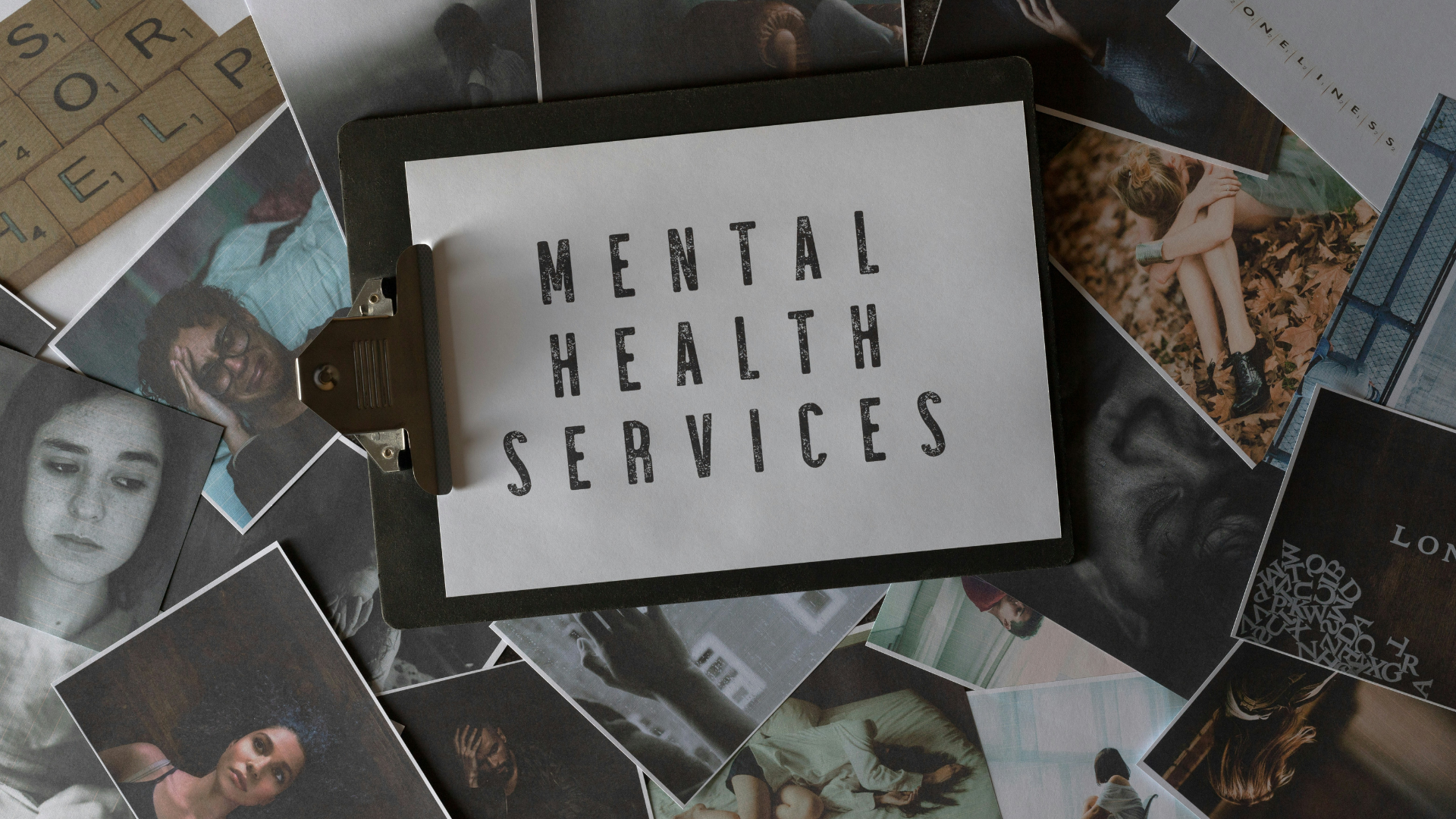
Mental Health Support Is Not a Last Resort. It Is Preventative Care.
Mental health care is often framed as something we seek only after reaching a breaking point. The truth is far quieter and far more hopeful. Therapy works best when it is proactive, supportive, and part of how we care for ourselves over time.

The Cost of “Just Pushing Through” in Families, Workplaces, and Communities
We praise resilience, but rarely talk about its hidden cost. When stress is repeatedly ignored or minimized, it does not disappear. It waits. Over time, it shows up as burnout, irritability, emotional distance, and physical symptoms that feel confusing or overwhelming. You are not alone in this experience.

Emotional Literacy Is a Life Skill We Were Never Taught
Many adults were never shown how to name emotions, sit with them, or respond in healthy ways. Therapy can teach these skills without labeling you as broken.

Mental Health Is Not Just Individual. It Is Environmental.
Mental health does not develop in isolation. It is shaped quietly and consistently by schools, workplaces, family systems, and digital culture long before a diagnosis ever enters the picture. Understanding the environment helps us understand the person.