


What Trauma-Informed Care Actually Means and Why It Matters in Therapy
Trauma-informed care is more than a clinical buzzword. It is a thoughtful, human-centered approach to therapy that prioritizes safety, pacing, and emotional respect. Understanding what it truly means can help you feel more confident and supported as you begin therapy.

How Stress Impacts Memory, Focus, and Decision-Making
Stress does not just affect how you feel. It changes how your brain works. Learn why stress disrupts memory, drains focus, and makes decisions harder, and how mental health care can restore clarity.

How Early Experiences Shape Emotional Responses in Adulthood
The way you react today often began long before adulthood. Early emotional experiences quietly shape how your nervous system responds to stress, relationships, and change. Therapy offers a way to gently update those patterns so life feels less reactive and more grounded.

The Difference Between Coping Skills and Regulation Skills
Many people believe coping skills and regulation skills are the same. They are not. Understanding the difference can change how you manage stress, emotions, and long-term mental health.
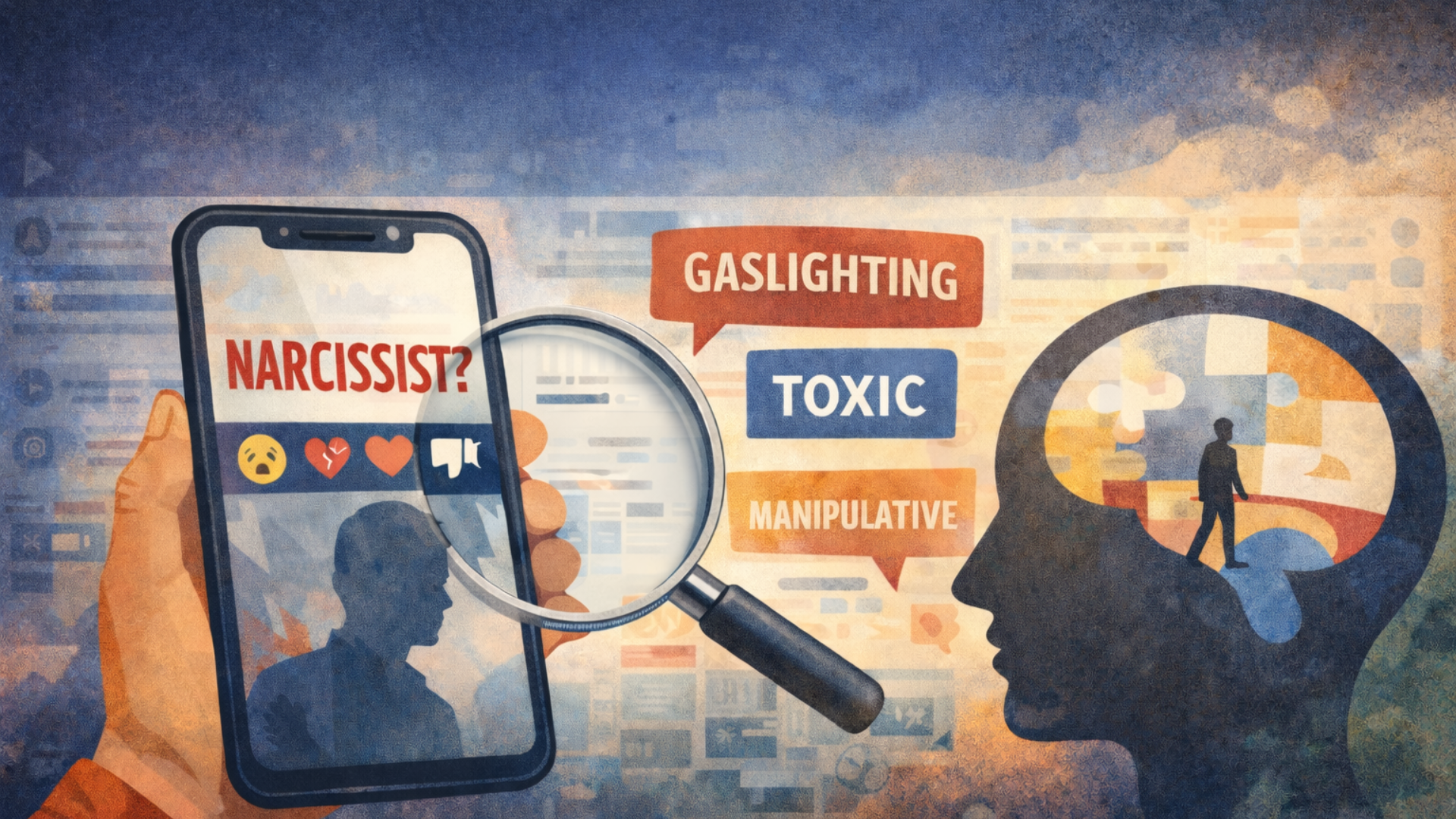
Why “Narcissism” Is One of the Most Misused Mental Health Terms Online
The word narcissism shows up everywhere online, often used to explain hurtful behavior or difficult relationships. What gets lost is accuracy, compassion, and real understanding. This article explains what narcissism truly means, why the term is so often misused, and how therapy can help clarify patterns without labeling or stigma.

When Stress Starts to Feel Like the Norm
At some point, stress stops feeling like a temporary reaction and starts feeling like the background noise of everyday life. Many people reach that moment quietly, without a clear breaking point, just a steady sense of being mentally tired.

Coaching for Structure, Therapy for Insight: How They Work Together
Therapy offers insight into emotional patterns. Coaching provides structure to move forward. Knowing the difference helps you choose support that actually works.

Therapy vs Coaching: How to Choose the Right Support for Your Goals in 2026
Not sure whether therapy or coaching is right for you in 2026. Understanding the difference can help you choose support that truly fits your goals and your life.

Why You Feel More Sensitive This Time of Year: Understanding Emotional Bandwidth
If you have found yourself more irritable, tearful, overwhelmed, or emotionally reactive lately, you are not imagining it. Emotional sensitivity often increases when your emotional bandwidth is stretched thin, and this time of year places unique demands on the nervous system.

Why You Suddenly Feel Behind in Life: The Psychology of Timeline Pressure
Ever notice how the end of the year brings a strange sense of urgency? If you feel behind in life, you are not failing. You are experiencing timeline pressure, a psychological response to comparison, expectations, and fear of stagnation. Understanding it is the first step toward relief.

Why Unstructured Time Feels Unsafe: Understanding the Link Between Freedom and Anxiety
You finally have free time and instead of relief, your nervous system panics. This is not laziness or lack of motivation. It is your brain searching for safety. Understanding why unstructured time feels threatening is the first step toward building routines that actually support your mental health.

Why Your Brain Feels “Loud” All the Time: Understanding Mental Noise and Internal Overstimulation
If your thoughts never seem to quiet down, even when life looks calm on the outside, you are not imagining it. Mental noise is real, common, and more treatable than most people realize.

Why You Shut Down Before a New Week: Understanding Sunday Emotional Drops and How to Break the Cycle
Sunday is supposed to be a reset. Yet for many people, it feels more like an emotional crash. Here is why your body and brain shut down before Monday and what you can do to feel grounded again.

Weekend Mental Health Check In: Questions Therapists Wish You Would Ask Yourself
A quiet weekend moment can reveal more about your mind than an entire weekday of rushing around. Here are the therapist-approved questions that help you understand your emotional patterns and guide you toward healthier choices.

The Cycle of Burnout: Why You Keep Recovering Only to Crash Again
Burnout is not just exhaustion. It is a repeating loop that high achievers fall into when they push through stress without sustainable support. Here is why you keep recovering only to crash again and how therapy or coaching can help you break the cycle for good.

Do You Need Therapy or Coaching? Simple Ways to Tell
Trying to decide between therapy and coaching can feel confusing. This guide breaks down both options in a simple way and helps you understand which path can support your goals, healing, and daily life. Learn how Palm Atlantic Behavioral Health provides both therapy and coaching through virtual services designed for flexibility, clarity, and genuine care.

What Is the Difference Between Coaching and Therapy, and How Do You Know What You Need?
Learn the clear differences between coaching and therapy, backed by research and practical tools. Discover how to choose the support that fits your goals and why many clients benefit from both.

Feeling Holiday Dread Already? Here Is Your Early Mental Health Game Plan
If the holidays already feel overwhelming, you are not alone. Many adults feel rising stress long before Thanksgiving dinner is served. At Palm Atlantic Behavioral Health, our virtual therapy sessions help you stay grounded and emotionally steady before the seasonal pressure builds. You deserve to enter the holidays with peace, not with a sense of dread that feels heavier than a loaded Thanksgiving plate.

You Googled Your Symptoms. Now What? Why Self Diagnosis Is Only Step One
Online symptom searching can reveal important clues, but it cannot replace professional evaluation. Learn what to do after you Google your symptoms and how to turn internet confusion into a clear path forward.

OCD and the Exhaustion of Constant Mental Monitoring
OCD is not just about rituals you can see but the exhausting, invisible effort of monitoring your every thought, feeling, and memory for hidden danger. The brain is working overtime, even when you are sitting still.